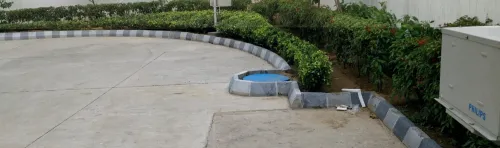

Pond development is no longer limited to agricultural land or rural landscapes. In Bengaluru and other parts of Karnataka, ecological water systems are increasingly being incorporated into commercial campuses, industrial developments, institutional spaces, and integrated townships.
Modern pond development focuses on more than aesthetics. Properly designed ponds support water conservation, groundwater recharge, flood mitigation, biodiversity, and stormwater management. Businesses and developers are beginning to recognize the environmental and operational value of ecological water infrastructure.
Traditional stormwater systems are designed to move water away as quickly as possible. Ecological systems take a different approach by managing, storing, and reusing water within the site itself.
Pond development can support several objectives:
- Rainwater collection
- Surface runoff management
- Groundwater recharge
- Landscape irrigation
- Environmental restoration
- Urban heat reduction
In rapidly urbanizing cities like Bengaluru, land surfaces are increasingly covered with concrete and asphalt. This reduces natural infiltration and increases runoff pressure during monsoon seasons. Ecological ponds help restore part of the natural hydrological cycle.
Businesses developing large campuses often integrate ponds with bio swales and ecological channels. These systems work together to slow water movement, improve filtration, and reduce flooding risk.
A properly designed pond system depends on several technical factors:
- Catchment area assessment
- Soil permeability analysis
- Rainfall intensity calculations
- Water retention requirements
- Overflow management
- Long term maintenance planning
One of the common mistakes in pond development is focusing only on excavation without understanding stormwater behavior. Poorly designed ponds may experience excessive sedimentation, erosion, or overflow issues during heavy rainfall.
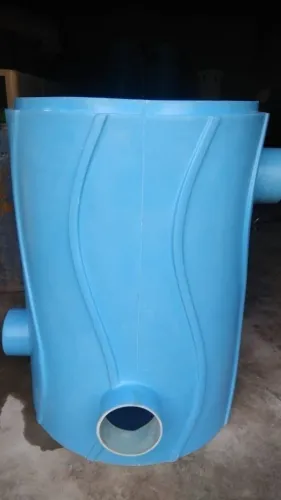
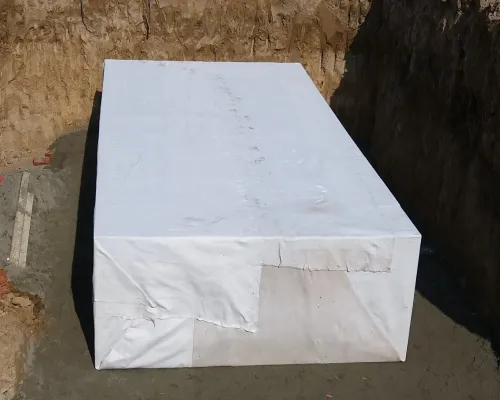
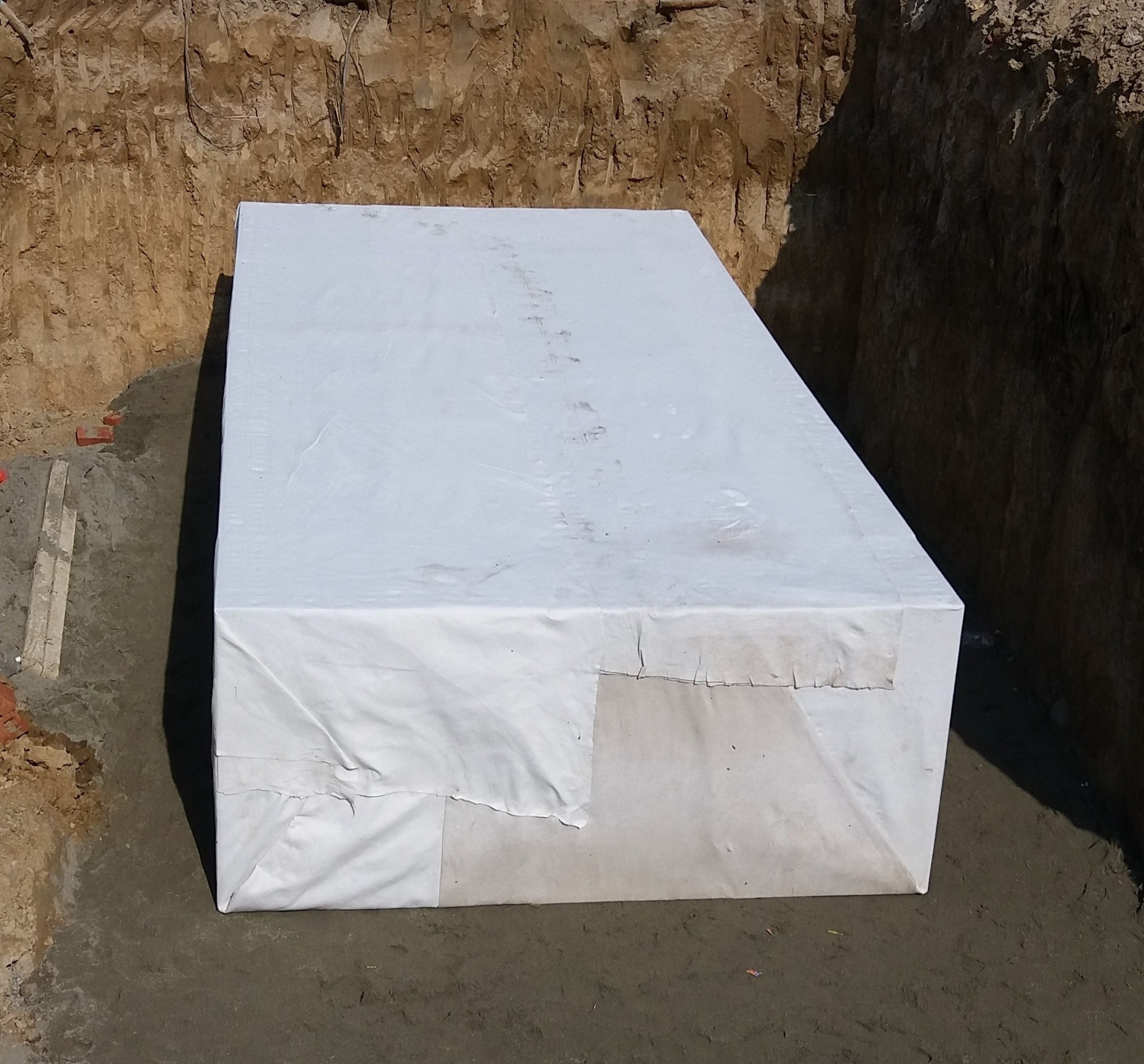
Modern projects are increasingly using modular underground storage systems alongside open ecological ponds. This hybrid approach allows developers to maximize water storage while preserving usable land space.
Commercial and industrial businesses in Karnataka are also using pond systems as part of sustainability initiatives. These projects improve environmental performance while enhancing landscape value and long term site resilience.
RETAS ENVIRO SOLUTIONS PRIVATE LIMITED has been associated with water infrastructure projects that combine rainwater harvesting, flood mitigation, and ecological site planning for sustainable development.
Pond development can also contribute to improved microclimate conditions in large campuses. Water bodies and green drainage systems may help reduce heat accumulation and improve environmental quality around built infrastructure.
For industrial and institutional projects, ecological water systems can create measurable benefits:
- Reduced stormwater runoff
- Improved groundwater recharge
- Better water availability
- Lower drainage stress
- Enhanced environmental compliance
Businesses evaluating sustainable site planning should view ecological water systems as infrastructure investments rather than landscape features alone.
As Bengaluru continues to expand, integrated ecological drainage and water retention systems will likely play a larger role in urban infrastructure planning. Projects that prioritize sustainable water management today are better positioned for future environmental and operational challenges.
Organizations planning land development in Karnataka can benefit from working with experienced consultants who understand ecological engineering, stormwater management, and long term water sustainability strategies.
For businesses seeking resilient and environmentally responsible infrastructure, pond development and ecological channels offer practical long term value beyond simple drainage solutions.
Visit us in Bengaluru to plan ecological water systems with RETAS ENVIRO SOLUTIONS PRIVATE LIMITED.