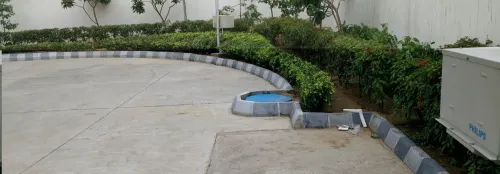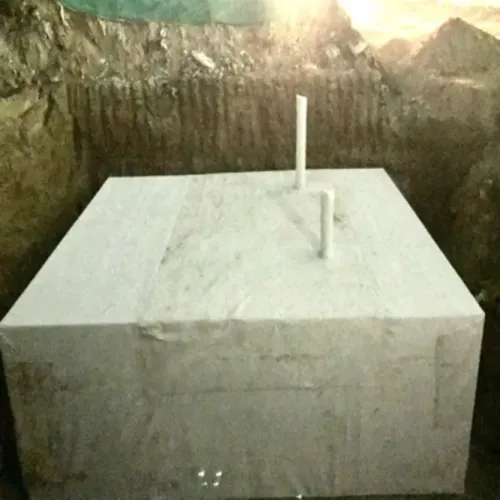

Selecting a storage system is an important stage of rainwater harvesting and stormwater management. For projects considering Copolymer Tanks in Pune, the decision should be based on engineering requirements, storage capacity, installation environment, intended use, and long-term accessibility rather than material preference alone.
Modern polymer-based storage solutions can offer useful design possibilities for projects seeking alternatives to traditional water-storage structures. Depending on the system configuration, polymer components may support modularity, corrosion resistance, manageable installation, and efficient use of available space.
Before selecting a tank, project teams should examine several factors.
1. Required storage capacity
Capacity should be calculated using catchment area, rainfall, runoff characteristics, and expected water consumption. Oversizing can unnecessarily increase project requirements, while undersizing may result in frequent overflow and reduced harvesting potential.
2. Installation location
An above-ground, below-ground, landscaped, or built environment presents different requirements. Underground installations in particular need consideration of soil conditions, excavation, loading, and access.
3. Structural performance
Storage components need to be appropriate for the loads and conditions expected at the installation location. This becomes especially important where the area above or around the system has additional uses.
4. Water entry and filtration
Even a durable tank can become difficult to maintain if sediment and debris are allowed to enter continuously. Pretreatment and filtration should therefore be considered as part of the complete system.
5. Inspection and maintenance
Storage infrastructure needs practical access. A design that makes routine inspection unnecessarily difficult can create operational problems later.
6. Overflow management
Pune’s monsoon can generate high inflow over short periods. When a tank becomes full, excess water needs a planned pathway.
The suitability of copolymer or other polymer-based storage also depends on the project objective. A housing society collecting rooftop rainwater has different requirements from a commercial campus managing runoff from multiple surfaces.
Similarly, a system intended mainly for rainwater reuse may be designed differently from one used primarily for temporary stormwater retention.
Project owners should therefore avoid comparing tanks solely by price per litre of nominal storage. Excavation, installation, filtration, site preparation, usable capacity, maintenance, expected life, and integration with drainage can all influence overall value.
RETAS ENVIRO SOLUTIONS PRIVATE LIMITED provides water-management solutions relevant to projects assessing modern tank technologies in Pune. The appropriate solution should ultimately reflect the actual property rather than a one-size-fits-all specification.
For help evaluating Copolymer Tanks for a Pune project, discuss your required capacity, installation conditions, available space, and intended water use with Retas before finalising the storage design.