
Choosing between an Underground Storage Tank in Pune and a conventional above-ground arrangement depends on much more than storage capacity. Space availability, land value, project layout, maintenance, structural requirements, and intended water use can all influence the decision.
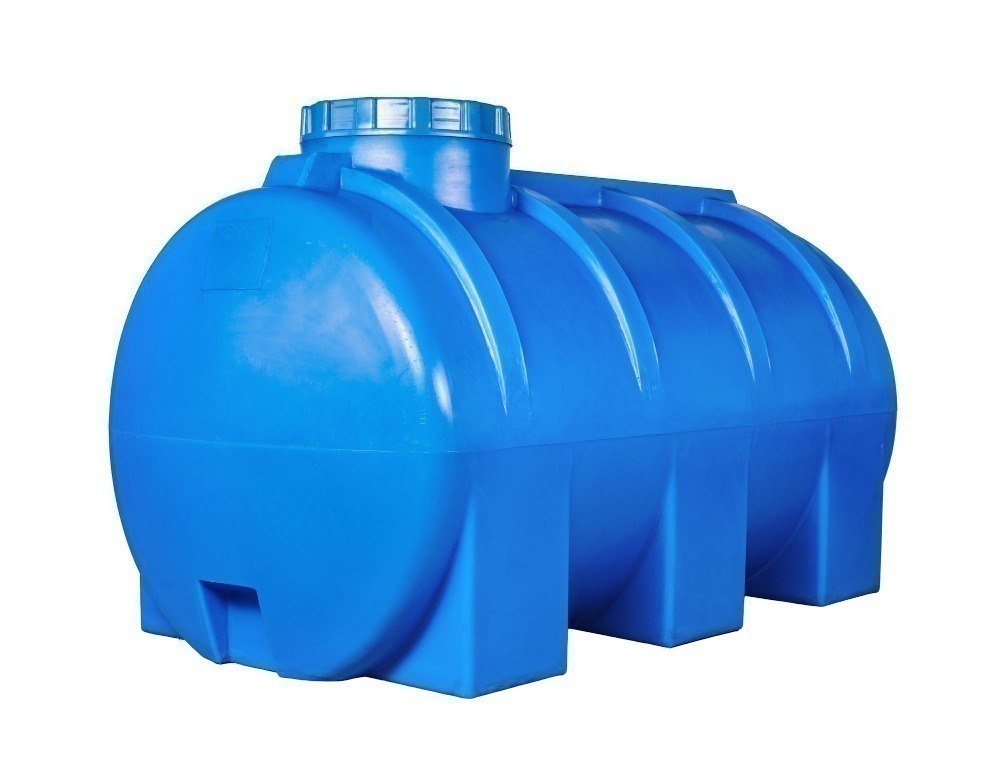
Above-ground tanks are familiar and generally straightforward to access. Their visible position can simplify inspection and maintenance, and installation may involve less excavation. However, they occupy usable surface space and can affect site planning where land is limited.
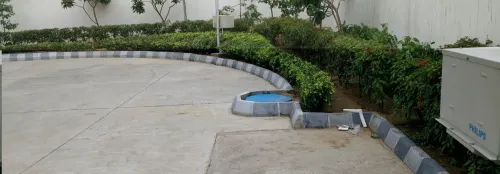
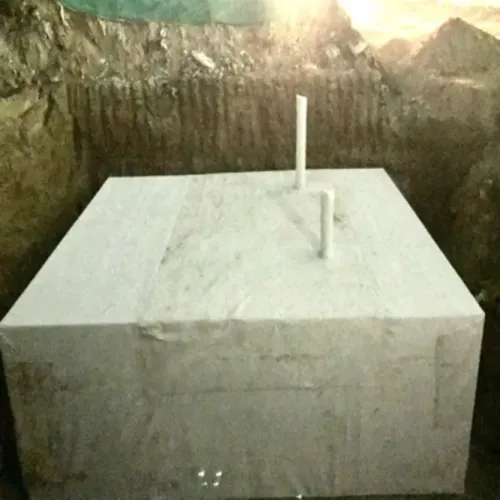
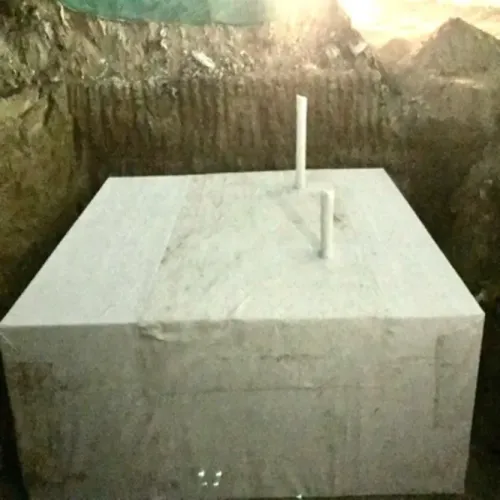
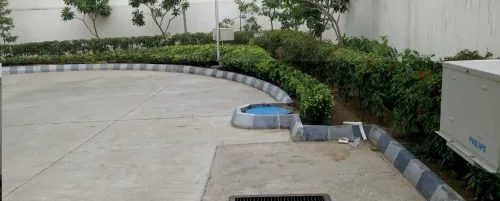
Underground storage takes a different approach. By positioning storage below the surface, projects may preserve valuable usable space above, subject to engineering and load requirements.
This can be attractive for:
Residential developments
Commercial properties
Institutional campuses
Industrial sites
Landscaped developments
Projects with restricted surface space
However, underground installation requires more detailed planning.
Excavation conditions must be assessed. Structural loads above the system need to be considered. Inlets, outlets, inspection access, filtration, overflow, ventilation where required, and maintenance arrangements should all form part of the design.
The comparison can be simplified around five questions.
How valuable is surface space?
If usable land is limited, placing water storage underground may provide a major planning advantage.
How much storage is required?
Rainwater calculations should guide capacity rather than choosing a tank based only on available product sizes.
How easy must maintenance be?
Above-ground systems generally provide direct access. Underground systems need purpose-designed inspection and maintenance provisions.
What will be built or used above the storage area?
Surface loading conditions matter. A landscaped zone and a vehicle movement area, for example, can impose very different design requirements.
How will overflow be managed?
Both systems require a controlled route for water once storage reaches capacity.
Material selection is another consideration. Modern polymer tanks, modular systems, and other engineered storage solutions can provide alternatives to conventional construction depending on the project requirements.
For Pune developments, rainfall patterns also matter. Maharashtra’s monsoon can deliver substantial runoff within a concentrated season, making it important to consider peak inflow rather than simply annual rainfall totals.
A common mistake is treating the storage tank as the entire rainwater harvesting system. In reality, the tank sits within a larger arrangement that includes catchment, conveyance, filtration, inlet management, storage, reuse or recharge, and overflow.
RETAS ENVIRO SOLUTIONS PRIVATE LIMITED works with rainwater-management solutions relevant to projects evaluating underground storage options. A site-specific assessment can help determine whether underground storage offers practical advantages over a conventional tank.
If your Pune project needs additional rainwater capacity without sacrificing valuable surface area, connect with Retas to compare Underground Storage Tank configurations with conventional alternatives based on your site's space, loading, and water-management requirements.