
Businesses planning water infrastructure in Noida often face an important decision when selecting storage systems. Traditional concrete tanks have been used for decades, but modern polymer tanks and copolymer tanks are becoming increasingly popular in commercial and industrial projects across Uttar Pradesh.
Both systems serve the same basic purpose of water storage, but their performance, installation requirements, and long term maintenance needs can differ significantly.
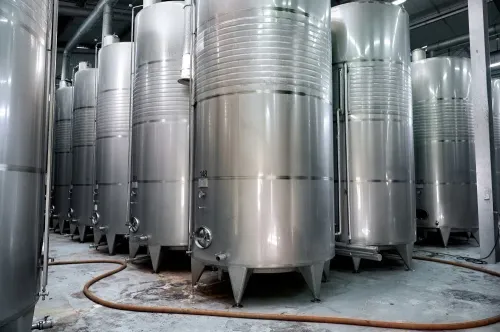
Concrete tanks are known for structural strength and long standing familiarity in construction projects. Many older facilities still rely on concrete based underground storage systems for rainwater harvesting and industrial water storage.
However, concrete infrastructure can also create challenges over time.
Common concerns include:
- Cracking
- Leakage
- Corrosion of reinforcement
- Long construction timelines
- Higher maintenance requirements
Urban commercial projects increasingly demand faster and more adaptable infrastructure solutions. This is one reason modern polymer tanks are gaining traction.
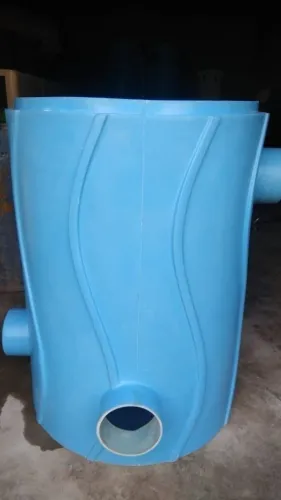
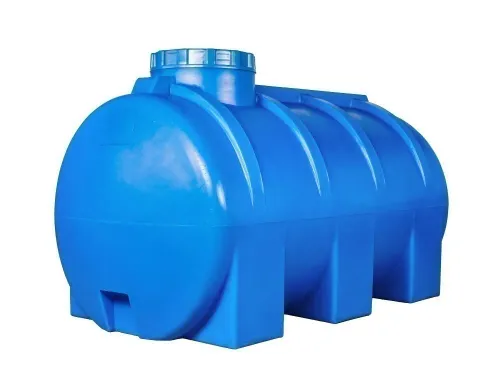
Polymer based systems are lightweight, modular, and resistant to corrosion. These characteristics make them suitable for underground storage applications where long term durability matters.
Installation speed is another major advantage. Concrete tanks often require extensive site work, curing time, and heavy structural activity. Modular polymer systems can typically be installed more efficiently, reducing project delays.
Businesses operating industrial campuses in Noida also prefer systems that allow future scalability. Polymer based modular infrastructure supports phased expansion more easily compared to rigid concrete construction.
Another factor influencing decision making is maintenance accessibility. Long term inspection and cleaning become easier when systems are designed with modular maintenance points.
Retas Enviro Solutions Private Limited has worked in areas involving next generation storage systems and integrated water infrastructure planning. The shift toward advanced storage technologies reflects broader changes happening in sustainable urban development.
Flood mitigation is another consideration. Modern storage systems are often expected to support both water conservation and stormwater management functions.
During intense rainfall events, underground storage tanks can temporarily detain runoff and reduce drainage overload. Modular storage systems are particularly effective in commercial sites with space limitations.
Businesses should compare storage systems based on:
- Structural durability
- Installation timeline
- Corrosion resistance
- Maintenance requirements
- Scalability
- Site load conditions
Cost comparison should also include long term lifecycle expenses rather than only initial installation pricing. Systems with lower maintenance and longer durability may deliver better value over time.
Environmental performance is becoming another important factor. Sustainable infrastructure planning increasingly favors systems that minimize construction disruption and support water conservation goals effectively.
Polymer tanks are also useful in projects where underground installation conditions are complex. Their lighter weight can reduce structural challenges during transportation and installation.
However, the right solution depends heavily on site specific requirements. Large industrial facilities, commercial campuses, and infrastructure projects may require customized combinations of storage, recharge, and drainage systems.
As water management becomes more critical for urban operations in Uttar Pradesh, businesses are moving toward smarter infrastructure decisions that balance performance, sustainability, and long term operational reliability.
Businesses planning advanced polymer tanks and modern water storage systems can visit RETAS ENVIRO SOLUTIONS PRIVATE LIMITED in Noida for infrastructure guidance.