
Urban India is entering a period where sustainable water infrastructure will directly influence how cities grow and function. Regions like Noida in Uttar Pradesh are already experiencing the effects of rapid urbanization through groundwater depletion, drainage overload, and recurring flooding during monsoon seasons.
Traditional infrastructure systems were not designed for the current scale of urban expansion. As a result, businesses, developers, and industrial operators are increasingly investing in smarter and more resilient water management solutions.
One of the biggest future trends is integrated infrastructure planning. Instead of treating rainwater harvesting, drainage, storage, and flood mitigation as separate systems, modern projects are combining them into unified environmental management frameworks.
This integrated approach improves operational efficiency while reducing infrastructure stress during extreme weather events.
Modular rainwater harvesting systems are expected to become more common because of their scalability and urban adaptability. Businesses prefer systems that can expand along with future infrastructure growth.
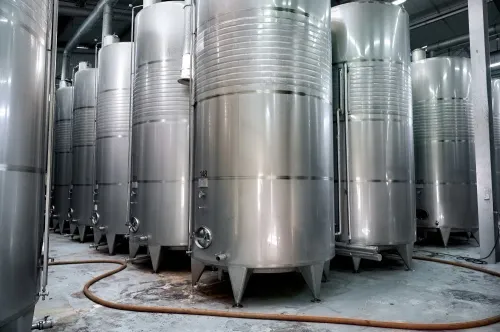
Another important trend is the widespread adoption of underground storage infrastructure. Space constraints in urban areas like Noida make underground systems more practical for commercial and industrial projects.
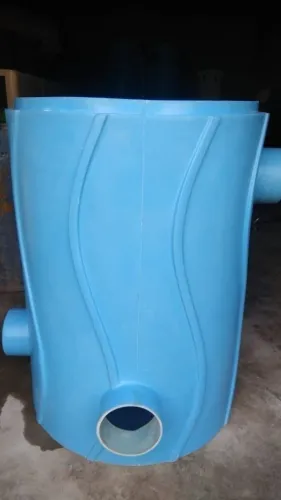
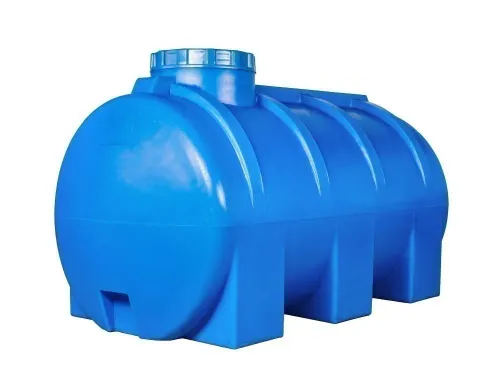
Advanced polymer tanks and copolymer tanks are likely to play a larger role because they support faster installation, durability, and modular flexibility.
Ecological water management is also shaping the future of urban planning. Bio swales, eco channels, and ecological drainage systems are increasingly replacing purely concrete stormwater networks.
These systems help cities manage rainfall more naturally by:
- Slowing runoff
- Supporting groundwater recharge
- Reducing erosion
- Improving water filtration
- Lowering flood risk
Businesses are also becoming more aware of flood resilience planning. Earlier, flood mitigation was mainly considered a municipal responsibility. Today, private infrastructure projects are expected to manage stormwater within their own sites more effectively.
Commercial properties with poor water management can experience operational disruptions, maintenance losses, and infrastructure damage during high intensity rainfall events.
Retas Enviro Solutions Private Limited has worked in areas involving sustainable water systems and integrated environmental infrastructure planning. The company’s focus reflects the broader movement toward future ready water management solutions in urban India.
Another growing trend is the use of smart monitoring systems for water infrastructure. Businesses are increasingly interested in tracking storage levels, rainfall capture efficiency, and drainage performance through digital monitoring technologies.
Groundwater recharge will also become a major planning priority. Urban expansion has significantly reduced natural infiltration areas, making artificial recharge infrastructure increasingly important.
Future commercial and industrial developments are likely to incorporate:
- Rainwater harvesting by default
- Distributed stormwater management
- Ecological drainage corridors
- Modular storage systems
- Flood mitigation infrastructure
- Water reuse planning
Sustainability expectations from investors, regulators, and customers are also influencing infrastructure decisions. Businesses that adopt environmentally responsible water systems are often viewed as more future focused and operationally resilient.
Urban water infrastructure in India is moving beyond temporary fixes. The focus is shifting toward systems that support conservation, resilience, environmental balance, and long term urban sustainability together.
For growing cities like Noida, the future will depend not only on how much infrastructure is built, but also on how intelligently water is managed within that infrastructure.
Visit RETAS ENVIRO SOLUTIONS PRIVATE LIMITED in Noida for future focused rainwater harvesting, flood mitigation, and sustainable urban water management solutions.