
Industrial infrastructure projects in Noida are becoming increasingly complex when it comes to water management. Manufacturing facilities, logistics parks, warehouses, and commercial campuses require scalable systems that can handle both water conservation and stormwater control effectively. This is where modular rainwater harvesting systems are gaining attention across Uttar Pradesh.
Unlike conventional recharge pits that often work in isolation, modular rainwater harvesting systems are designed for flexibility, scalability, and long term performance. These systems can be customized according to site size, water collection volume, soil conditions, and operational requirements.
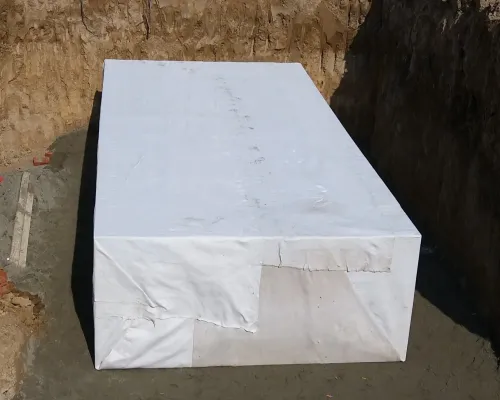
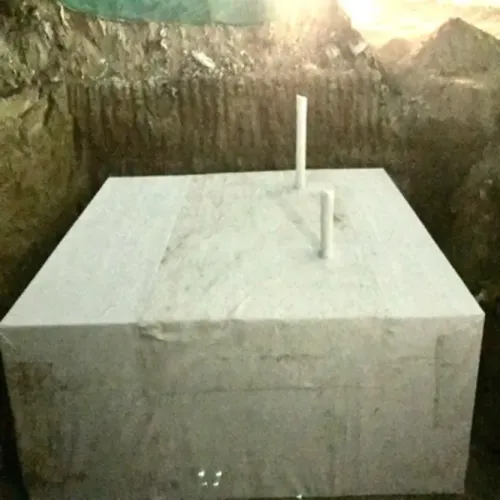
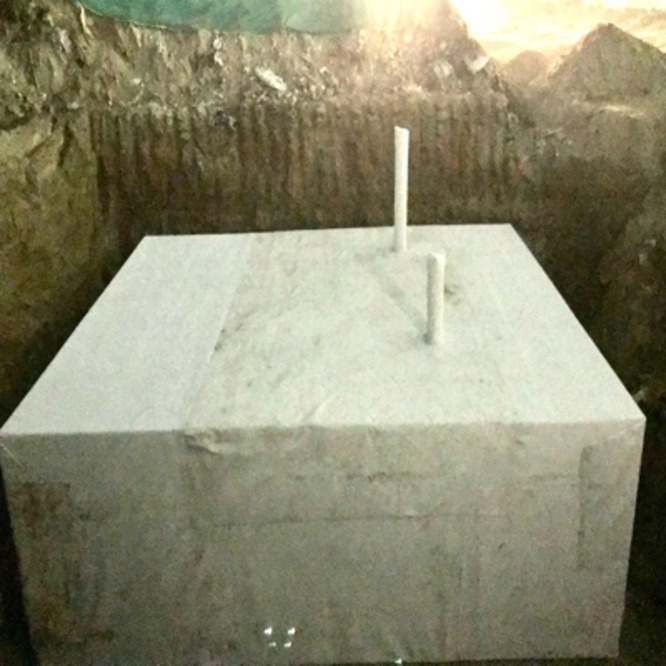
A modular system typically consists of interconnected units installed underground to store or recharge harvested rainwater. The design allows businesses to expand capacity in phases as infrastructure grows. This adaptability is particularly valuable for industrial developments where future expansion is expected.
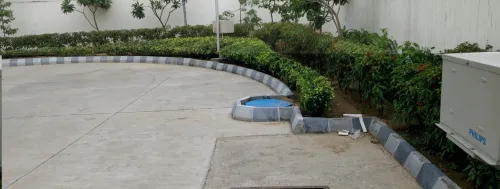
One of the biggest advantages of modular systems is efficient space utilization. In urban industrial regions like Noida, land availability is limited and surface area is expensive. Traditional open recharge structures can consume valuable operational space. Modular systems, on the other hand, can be installed below parking areas, driveways, or landscaped zones.
Industrial projects usually deal with large roof catchments. During monsoon months, these rooftops generate substantial runoff within a short period. Without proper infrastructure, excess water can overwhelm drainage systems and contribute to flooding.
A structured modular rainwater harvesting setup helps by:
- Capturing runoff efficiently
- Reducing site flooding risk
- Supporting groundwater recharge
- Creating reusable water reserves
- Lowering dependence on tanker water
Another important factor is maintenance. Businesses often avoid complex systems that require frequent manual cleaning or operational interruptions. Modern modular units are designed for easier inspection and long term durability.
Many facilities are also integrating underground storage tanks with modular recharge systems. This hybrid approach allows collected rainwater to be reused for landscaping, cooling systems, cleaning operations, or flushing applications while excess water supports recharge objectives.
The use of advanced polymer tanks and copolymer tanks has also changed how industrial water storage is approached. Compared to traditional concrete structures, these systems are lighter, faster to install, and more resistant to corrosion and leakage issues.
Industrial planners in Uttar Pradesh are increasingly evaluating water systems during the early design stage rather than as an afterthought. This shift is driven by operational realities. Water shortages can directly impact productivity, facility maintenance, and compliance requirements.
Retas Enviro Solutions Private Limited has worked on modular infrastructure concepts that support both water harvesting and flood mitigation needs. The company’s focus on scalable water systems reflects broader changes happening in industrial environmental planning.
Another growing trend is the integration of ecological drainage systems alongside harvesting structures. Eco channels and bio swales help direct and filter stormwater naturally before it enters recharge or storage systems. This improves water quality while reducing erosion and uncontrolled runoff.
Businesses considering modular rainwater harvesting should assess several practical factors:
- Annual rainfall patterns
- Peak runoff calculations
- Soil permeability
- Future infrastructure expansion
- Site traffic load conditions
- Water reuse potential
Many industrial operators initially focus only on water conservation benefits. However, the flood management aspect is becoming equally important. Poor stormwater planning can damage infrastructure, interrupt movement within industrial campuses, and create long term maintenance costs.
As urban development continues across Noida, modular rainwater harvesting systems are likely to become a core part of responsible industrial planning rather than a secondary sustainability feature.
Businesses looking for scalable rainwater harvesting systems in Noida.
Can connect with RETAS ENVIRO SOLUTIONS PRIVATE LIMITED for practical and sustainable infrastructure planning.